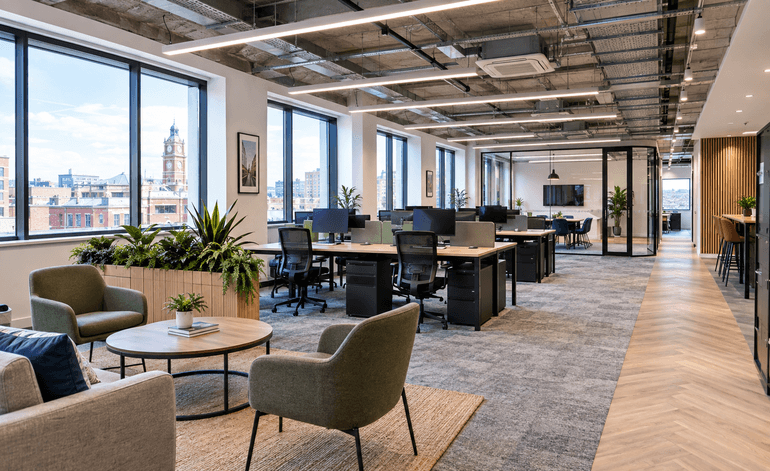
London businesses are budgeting for office space differently than they were even two years ago. Rising service charges, higher construction costs and a market where over half of available Central London office space is now marketed as fitted mean that getting your numbers right before you commit to a project matters more than ever. This guide sets out what a fit out actually costs in London in 2026, what drives those costs up or down, and how to plan a budget that survives contact with reality.
By the end of this guide you will understand where London's commercial property market currently stands, what a realistic Cat A, Cat B or full turnkey fit out costs per square foot, and how to choose a contractor, plan a timeline and decide between fit out and refurbishment for your own premises.
The London Office Market in 2026
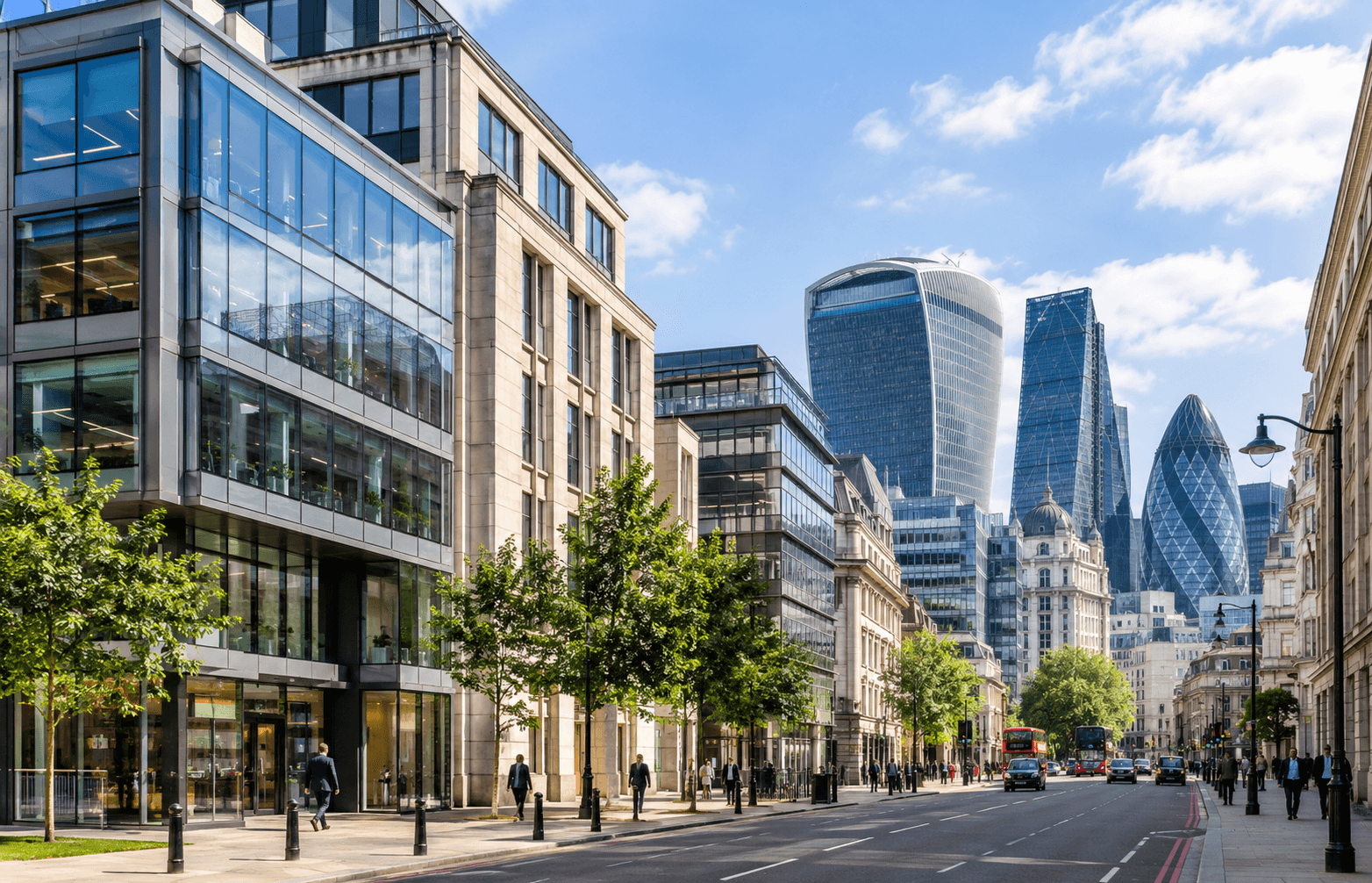
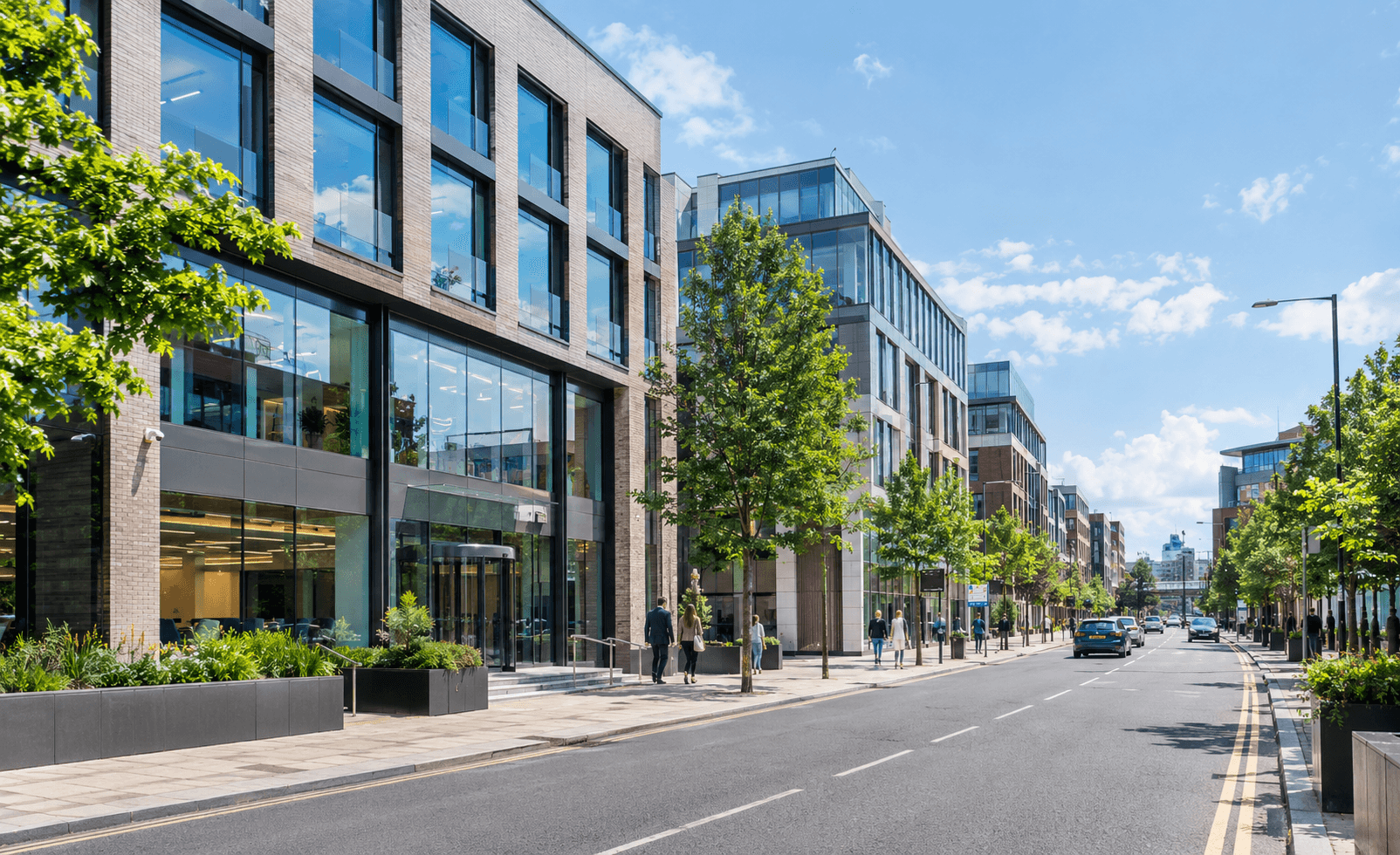
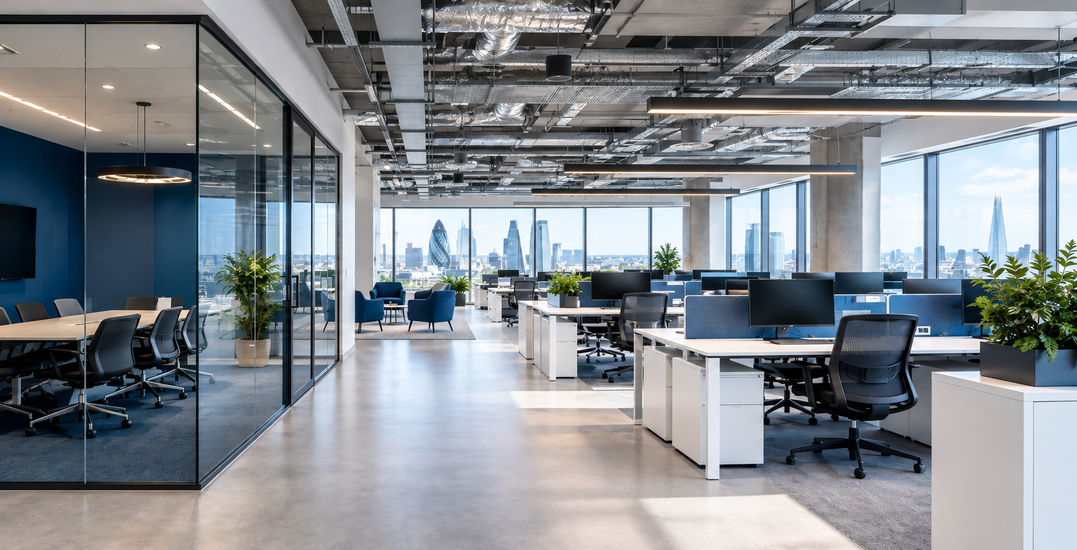
London's commercial property landscape is behaving in two directions at once. Total available office space across Central London sits well above the ten year average, yet demand for new and refurbished, high specification space continues to outstrip supply. New and refurbished properties now account for the large majority of leasing activity in prime areas, and prime rents in the West End and City core have continued to climb, with West End rents running considerably higher per square foot than City rents.
This is what the market calls a "flight to quality." Older, tired office stock is struggling to let, while modern, well fitted space commands a premium and moves quickly. In practical terms, this means two things for a London business planning a project. First, if your building falls into the older stock category, a fit out or refurbishment is increasingly the difference between an office that attracts staff back and one that sits half empty. Second, landlords themselves are investing in Cat A+ fit outs before marketing space, which is reshaping what tenants expect to walk into. This shift is exactly why demand for a reliable commercial fit out in London has grown alongside it, as businesses look for a team that understands both the pace of the market and the practical realities of delivering within it.
The businesses driving this demand span the City of London and Westminster, where financial and professional services firms are investing in premium, technology enabled spaces, through to Canary Wharf and Tower Hamlets, still a major hub for financial and media occupiers, and out to fast growing areas such as Hackney, where creative and tech businesses are pushing demand for flexible, collaborative layouts. Beyond central London, boroughs including Camden, Islington, Wandsworth and Hammersmith and Fulham continue to see steady SME activity, alongside businesses relocating from more expensive core postcodes in search of better value without losing London connectivity.
Whichever part of London your business sits in, the underlying budgeting principles are the same, and that is where this guide is focused.
There is also a lease dynamic worth understanding before you start budgeting. Many London occupiers now find themselves running two properties at once for a period, the old office they are exiting and the new one being fitted out, because dilapidations, break clauses and handover dates rarely line up neatly. Every month that overlap runs adds rent, service charge and business rates on top of your project cost, which is exactly why programme and budget need to be planned together rather than treated as separate conversations with separate teams.
Cat A, Cat B and Full Turnkey: What You're Actually Paying For
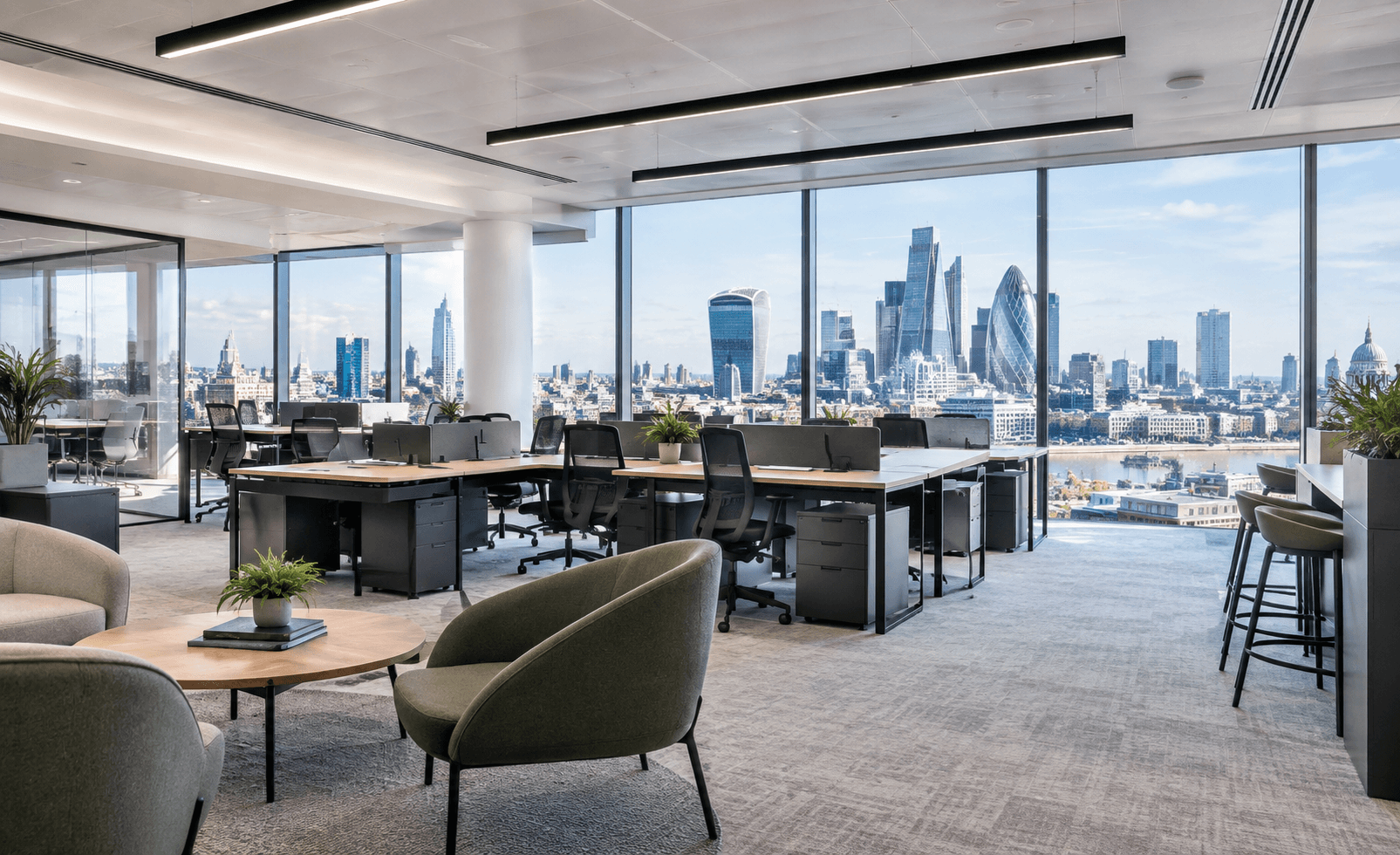
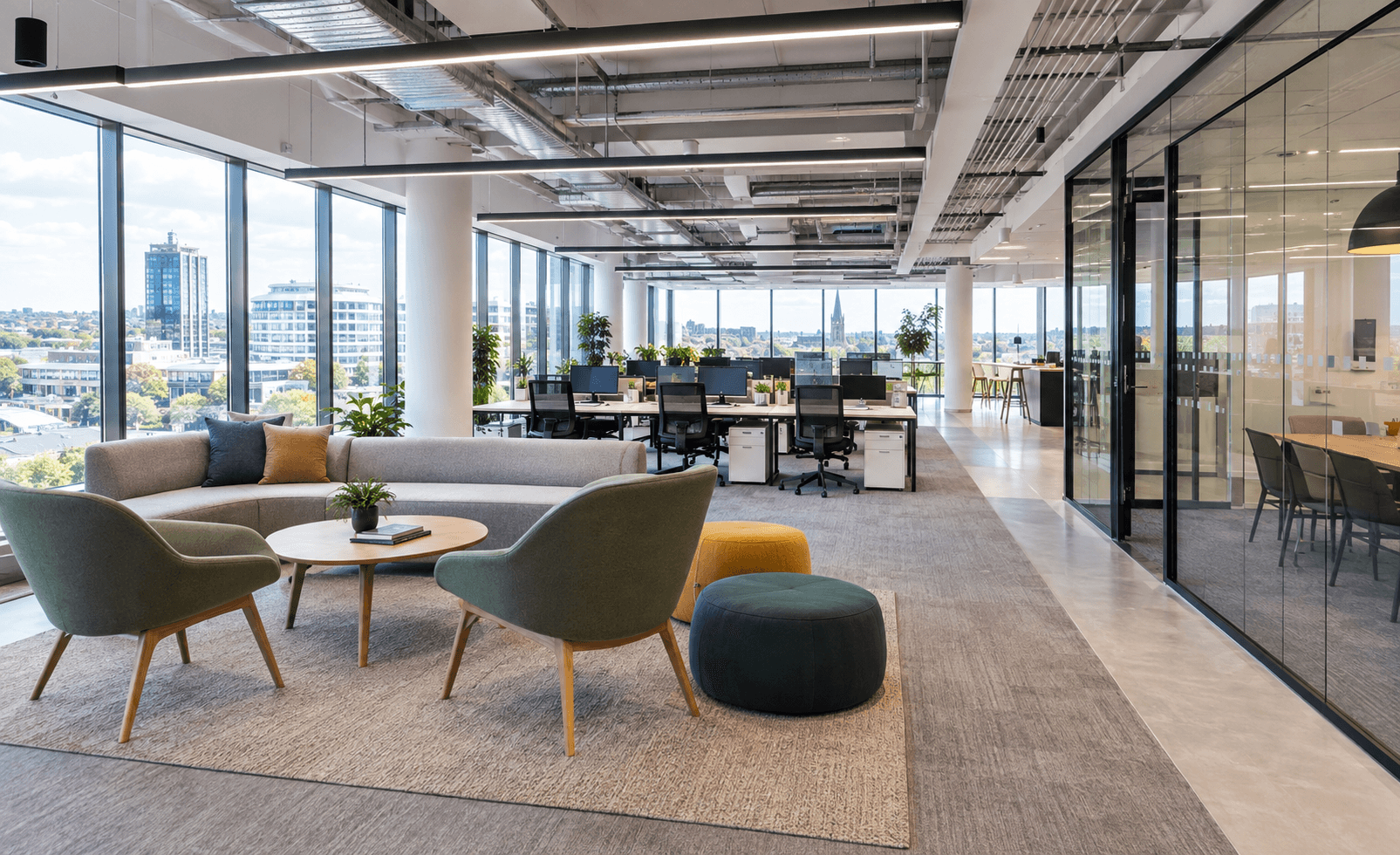
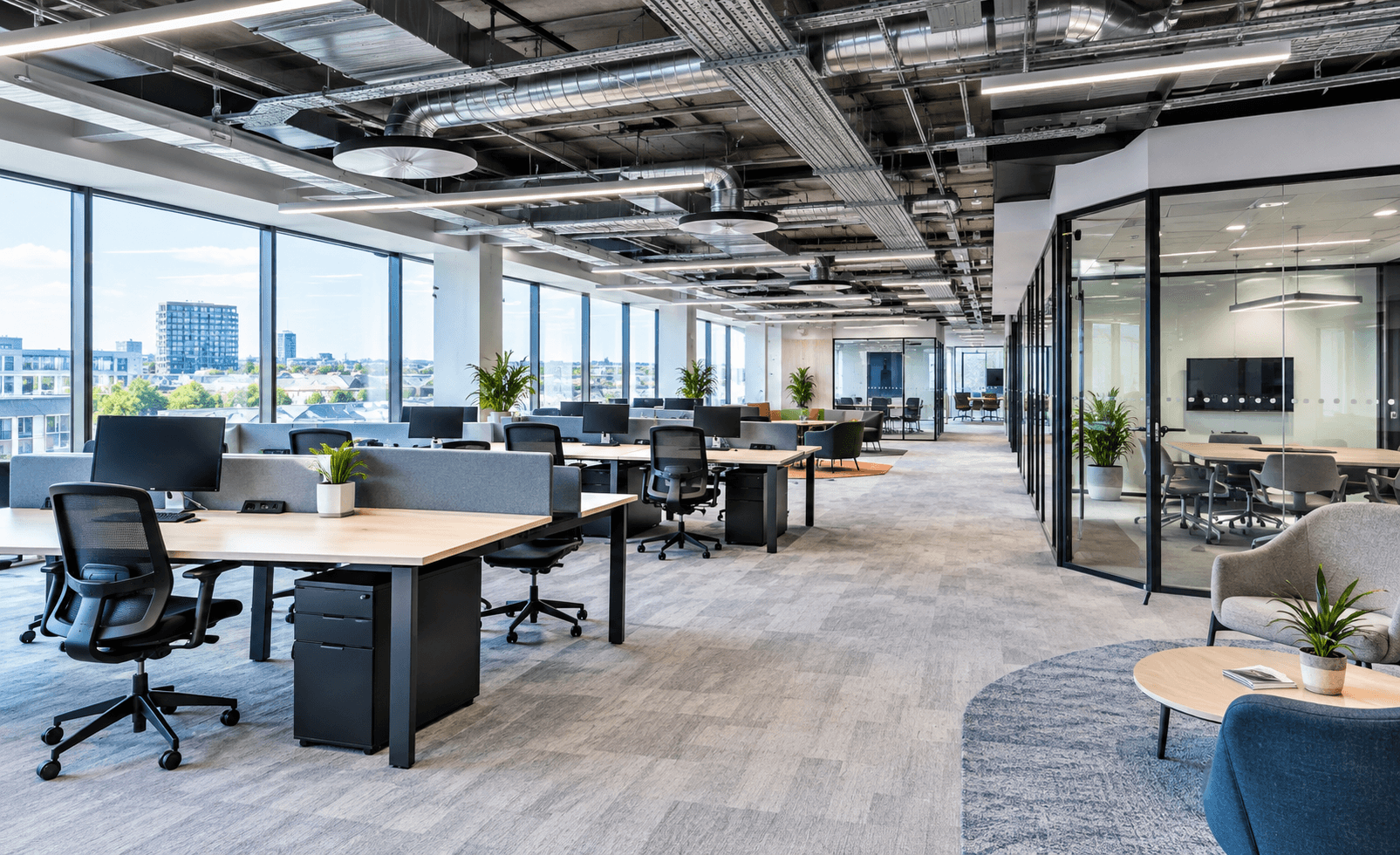
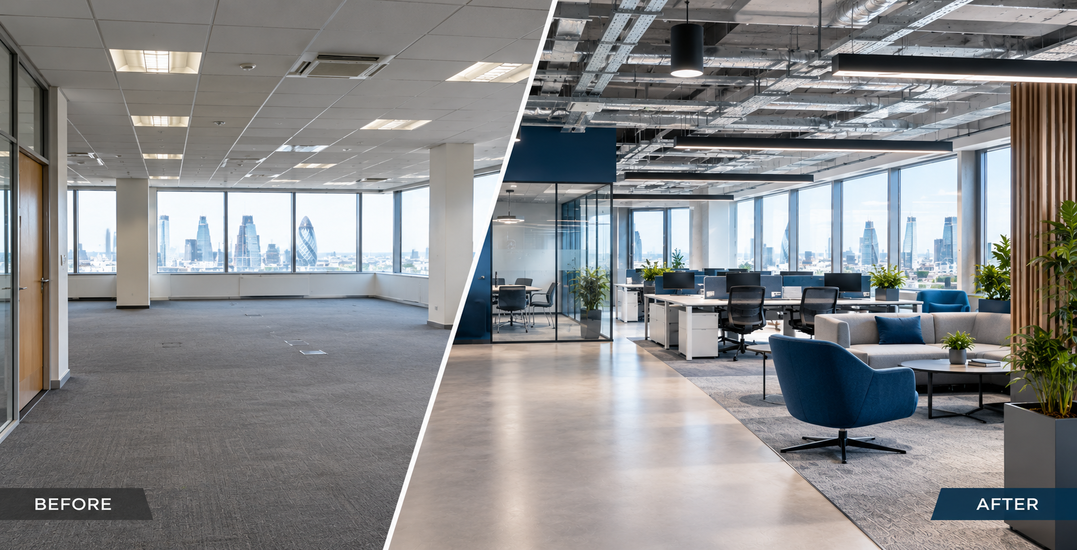
Before any budget makes sense, it helps to be clear on what a fit out actually involves. A Cat A fit out brings a shell space up to a basic usable standard, raised floors, suspended ceilings, mechanical and electrical services, and basic finishes, ready for a tenant to add their own layout on top. A Cat B fit out is the tenant's own layer, partitioning, meeting rooms, kitchens, branding, furniture and technology, built on top of a Cat A base. A full turnkey project combines both under a single contract, which is increasingly the preferred route for businesses that want one point of accountability and a fixed programme. Whichever route you take, a well planned commercial office fit out in London project should give you a clear breakdown of what sits in the Cat A shell and what sits in your own fit out layer before any numbers are finalised.
Costs across London vary considerably depending on which of these you need, the condition of the existing shell, the quality specification you're targeting and, significantly, which part of London you're building in. A straightforward Cat B fit out in an outer London borough will look very different on paper to a full turnkey project in a City core building targeting a premium finish.
Specification level has as much impact on the final number as square footage. A functional, well-built Cat B fit out with standard finishes, good quality but unremarkable furniture, and sensible technology provision will sit at one end of the scale. A premium, brand-led fit out with feature joinery, bespoke lighting design, acoustic treatment and high-end AV in every meeting room sits considerably higher. Neither approach is wrong, but budgets set without agreeing which end of that scale you're aiming for tend to unravel once tender returns come back.
Choosing the Right Fit Out Company for Your London Project
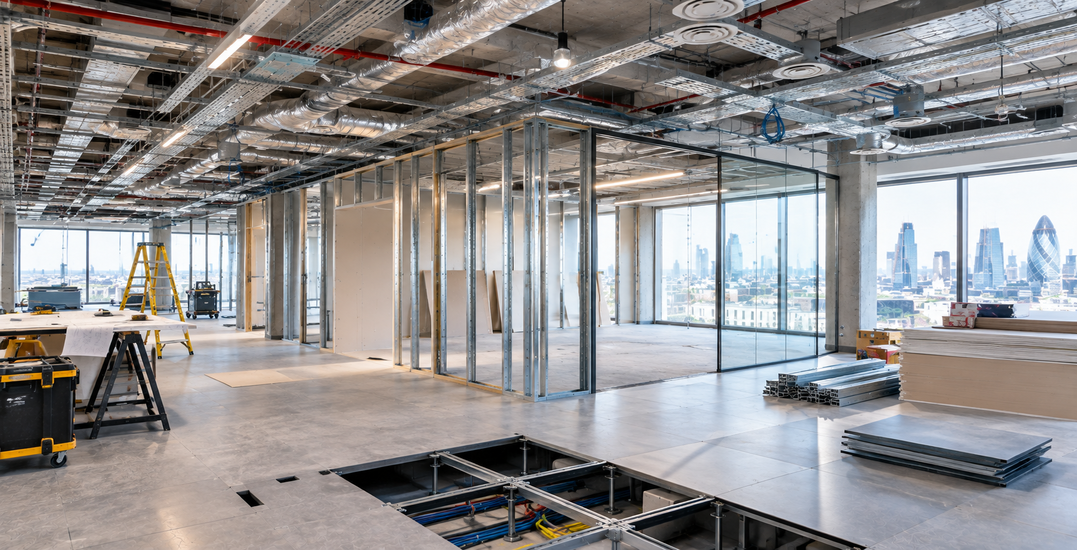
Cost is only part of the equation. The contractor you choose has a direct bearing on whether your project lands on budget or drifts. London has a large and varied pool of fit out companies, ranging from small specialist outfits to large national contractors, and the right fit depends on the scale, complexity and postcode of your project. When you're comparing options, it is worth shortlisting an established office fit out company in London businesses already trust, rather than choosing on price alone. Track record with buildings and landlords in your specific area, transparency on realistic Cat A and Cat B fit out costs per square foot, and a genuine design and build capability rather than a purely build focused offer are all worth checking before you sign anything.
How Long an Office Refurbishment or Fit Out Actually Takes
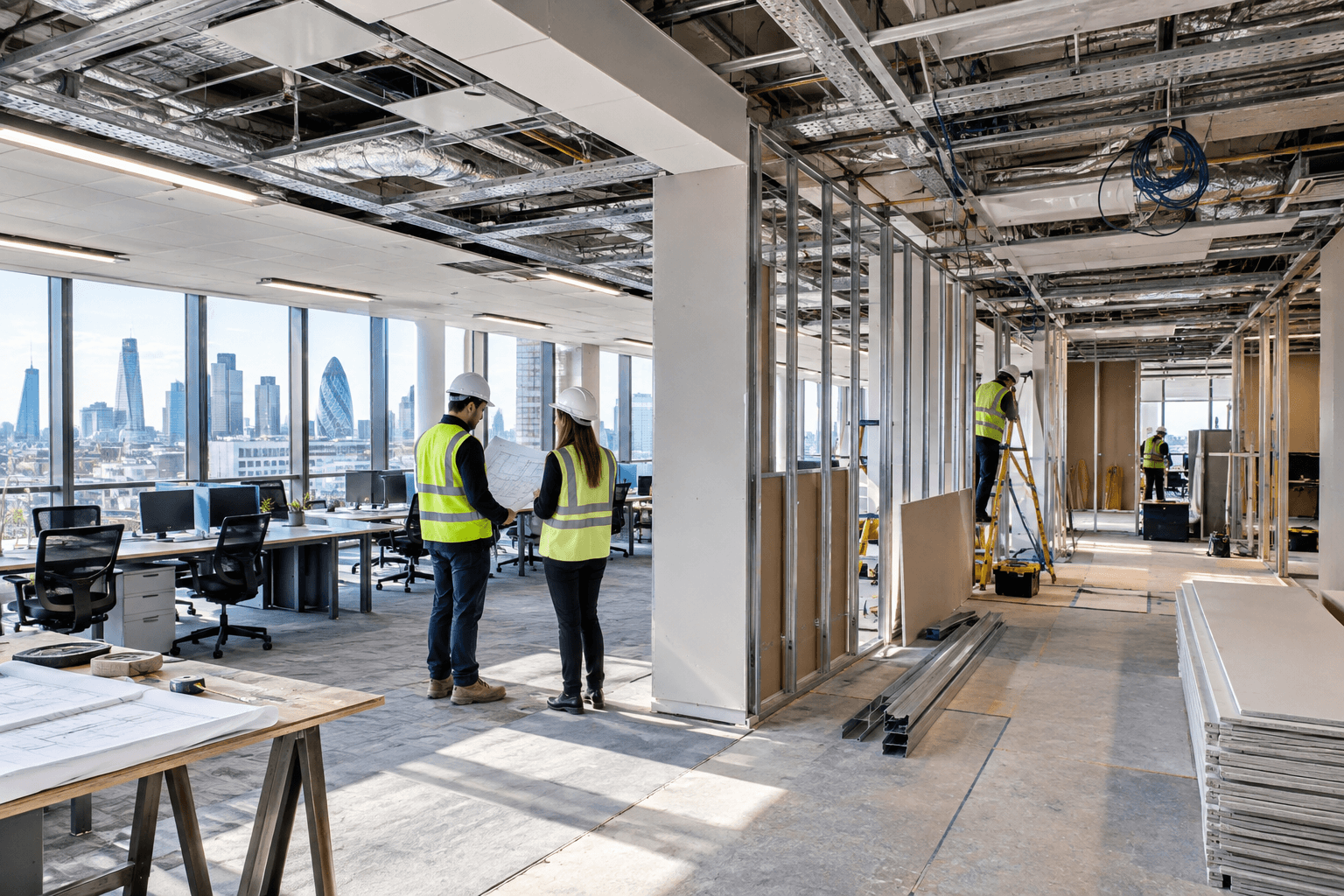
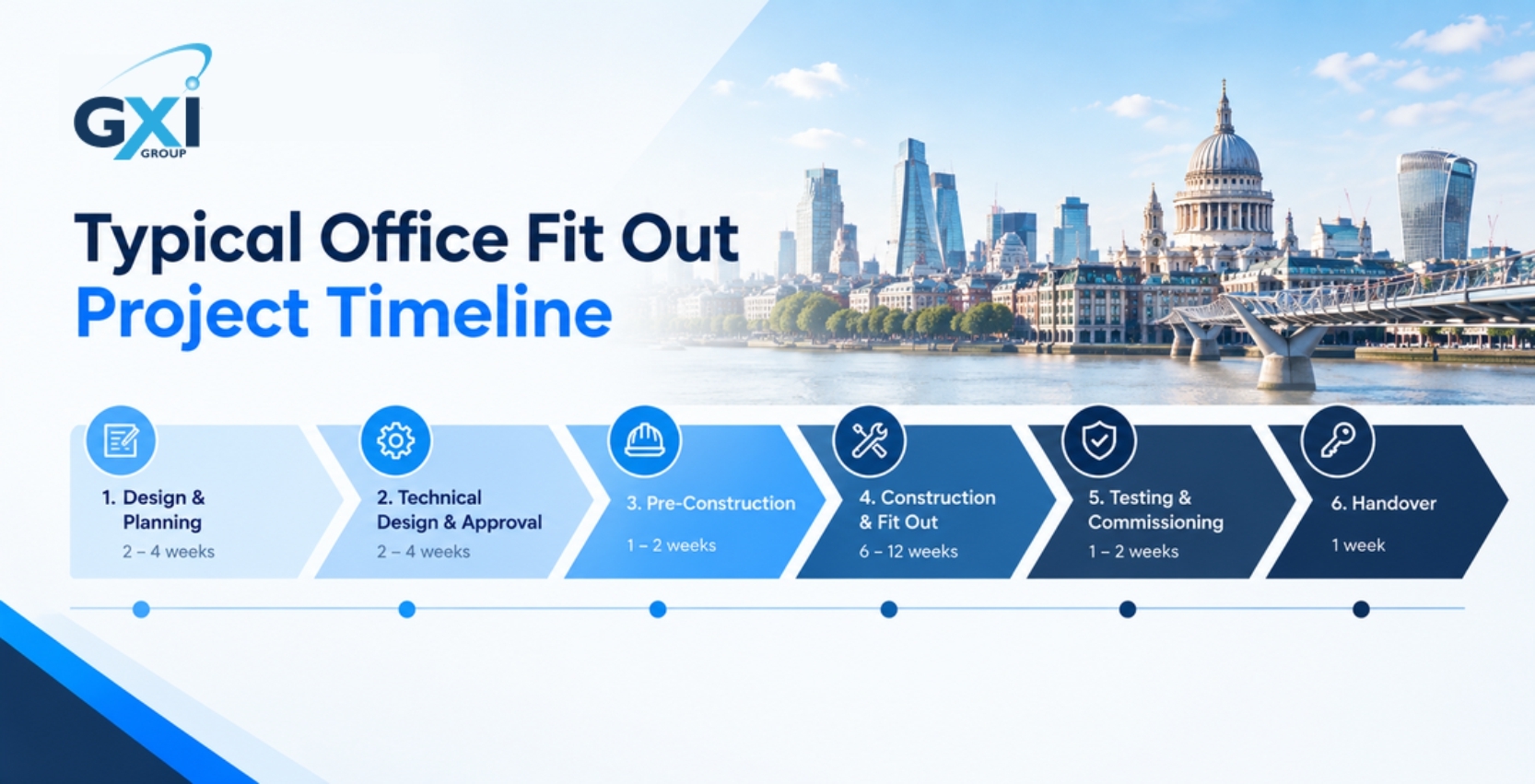
Budget and programme are tied together more closely than most businesses expect. A delayed project does not just cost time, it costs money in the form of overlapping rent between old and new premises, storage, and lost productivity. Timelines in London are shaped by factors that do not always show up in a simple square footage calculation, including landlord approval processes, listed building or conservation constraints in certain boroughs, lift and loading access in tall City buildings, and the realistic lead times on materials and specialist trades in a busy market. Businesses running a London office fit out for the first time are often surprised by how much of the timeline sits outside the build itself, in approvals, procurement and access windows rather than the physical works. Before you fix a moving date, it is worth understanding realistic timelines for a Cat A and Cat B fit out programme, since this has a direct knock-on effect on your budget contingency.
The Cost Factors That Actually Move Your Budget
Every London fit out budget is shaped by a handful of recurring variables: the condition of the existing space, whether mechanical and electrical systems need replacing or simply extending, the quality of finishes and furniture specified, London-specific costs such as building access restrictions and out of hours works in occupied buildings, and professional fees for design, project management and building control. Businesses that budget properly build in contingency for these from day one rather than discovering them mid-project. We go through each of these factors in detail, with the specific cost factors London businesses consistently underestimate, covering everything from data cabling to dilapidations at lease end.
Fit Out or Refurbishment: Making the Right Call
Not every project needs a full fit out. In some cases, particularly where the existing layout and services are broadly fit for purpose, a refurbishment, updating finishes, redecorating, refreshing furniture and improving energy efficiency, is a faster and more cost-effective route to the same outcome. Getting this decision wrong in either direction is one of the most common ways London businesses overspend. If you are weighing up whether a full fit out or a lighter refurbishment is the right route for your business, it is worth working through the comparison before finalising your budget, not after.
![Side-by-side comparison graphic contrasting "Fit Out" and "Refurbishment" scope, icons or simple visual comparing scale of works]](https://admin-staging.gxigroup.com/storage/uploads/general/images/f305c269-6ff1-419a-8548-2fa16afd7099.jpg)
Why Businesses Choose GXI for London Fit Out Projects
GXI delivers Cat A, Cat B and full turnkey office fit out and refurbishment projects across London, from the City and West End through to outer boroughs and the wider commuter belt. Our approach is built around single point accountability from initial design through to handover, so clients are not managing multiple contracts or chasing conflicting programmes. We work directly with landlords and managing agents on access, permissions and dilapidations, which matters in a market where building specific rules can make or break a programme. Every project is scoped and costed transparently against the realistic factors set out in this guide, not a generic per square foot estimate that falls apart once work starts on site.
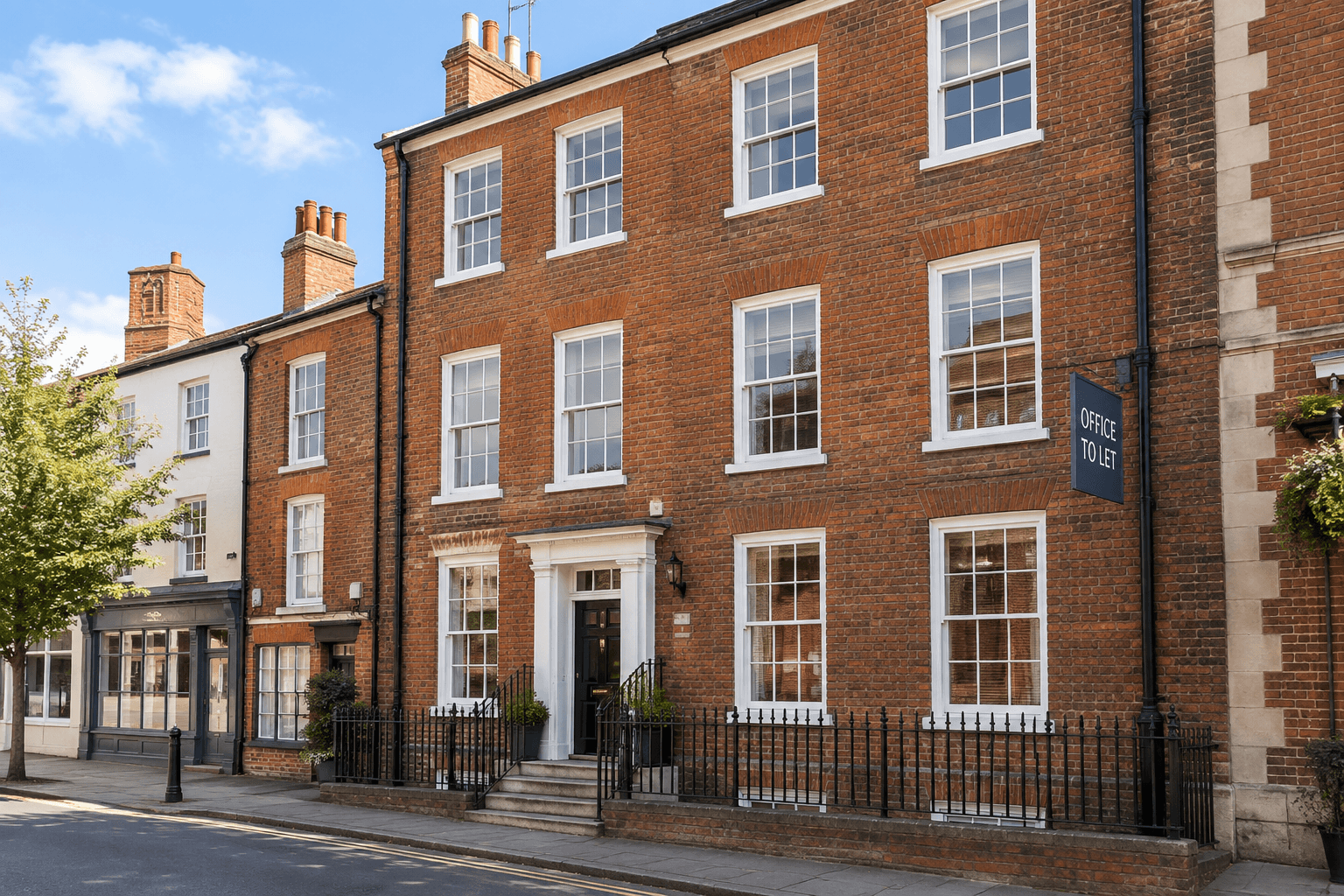
We also understand that most London occupiers are not fit out specialists themselves, and shouldn't need to become one to get a project delivered properly. That means clear reporting through the build, straightforward decision points rather than a stream of variation requests, and a project team that has actually worked in the specific building type you occupy, whether that's a period conversion in an outer borough or a steel-framed tower in the City core.
Get in Touch
If you're planning an office fit out or refurbishment in London and want a realistic budget based on your specific building and requirements, GXI's team can help.
Get in touch at info@gxigroup.com or call 020 3915 8000.