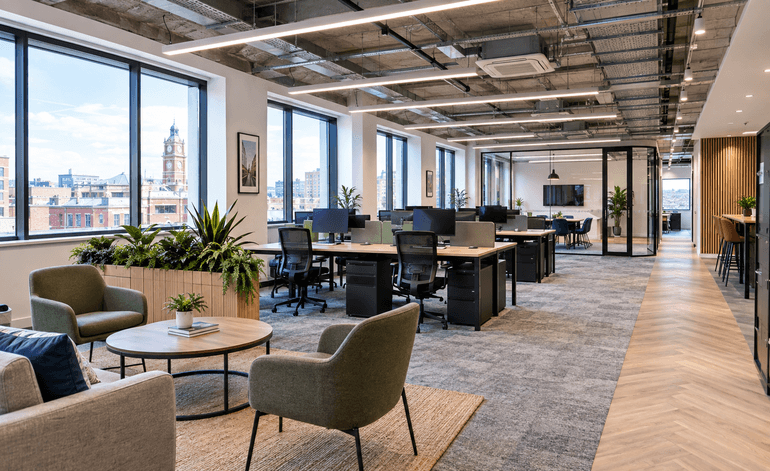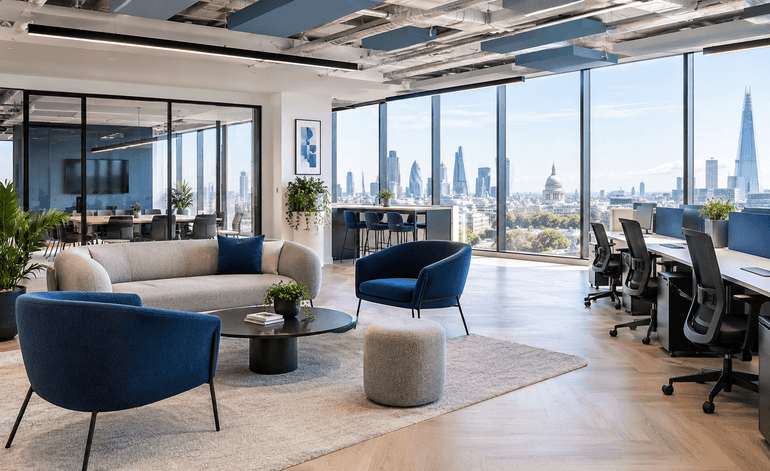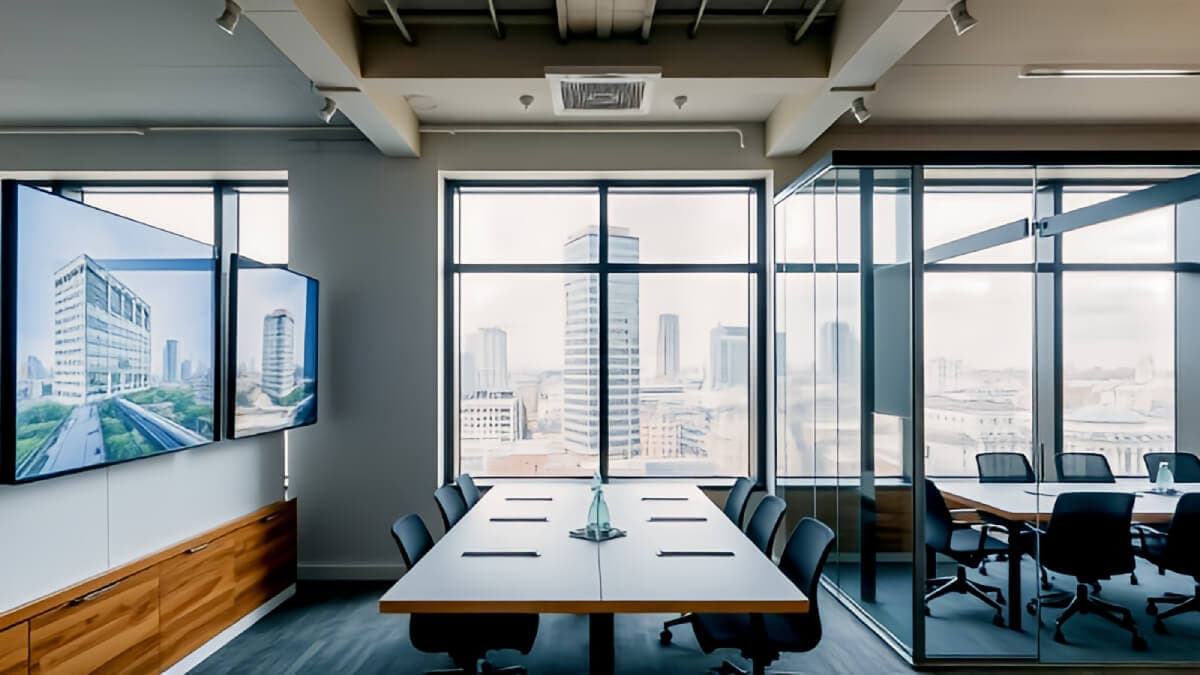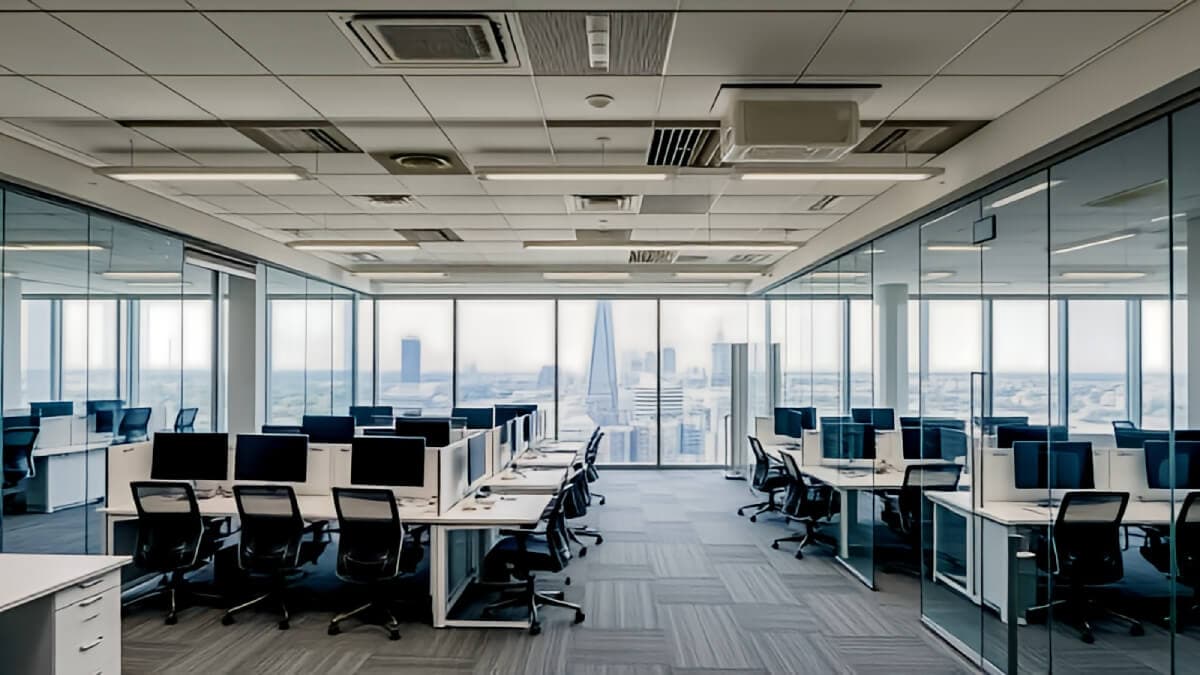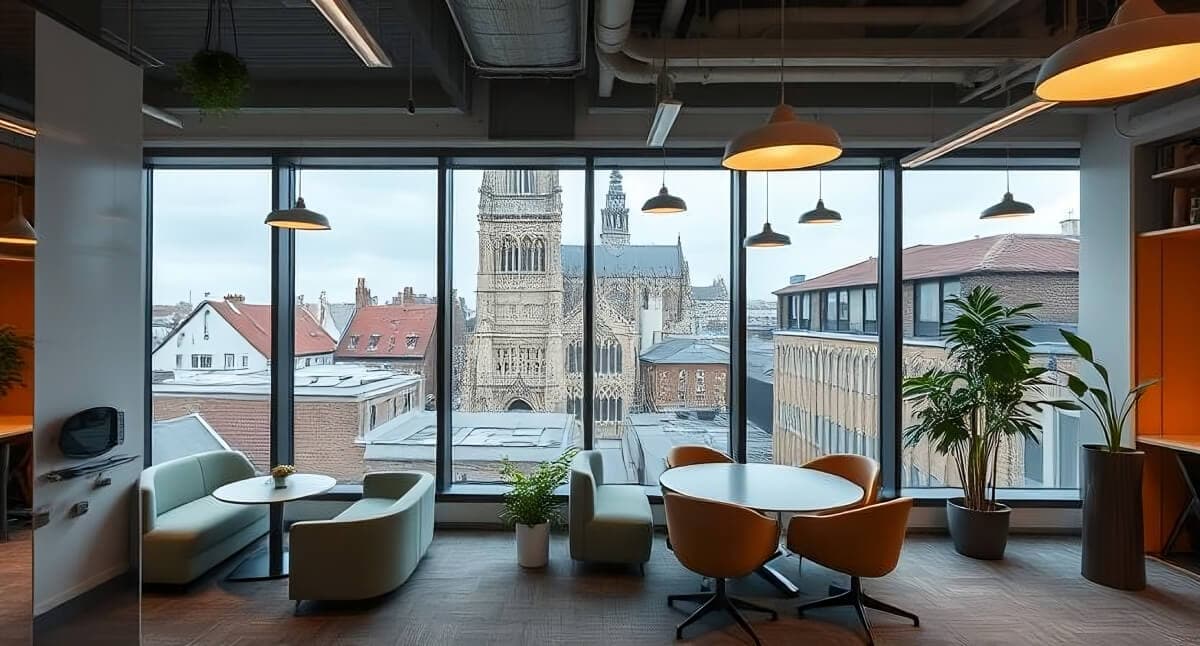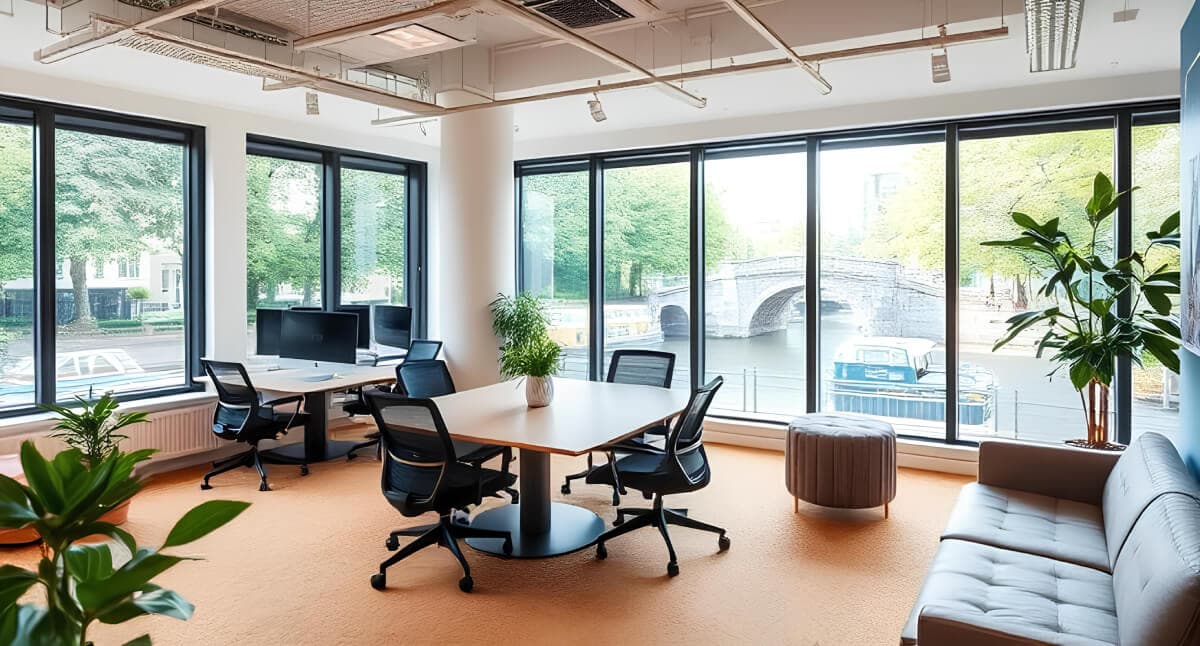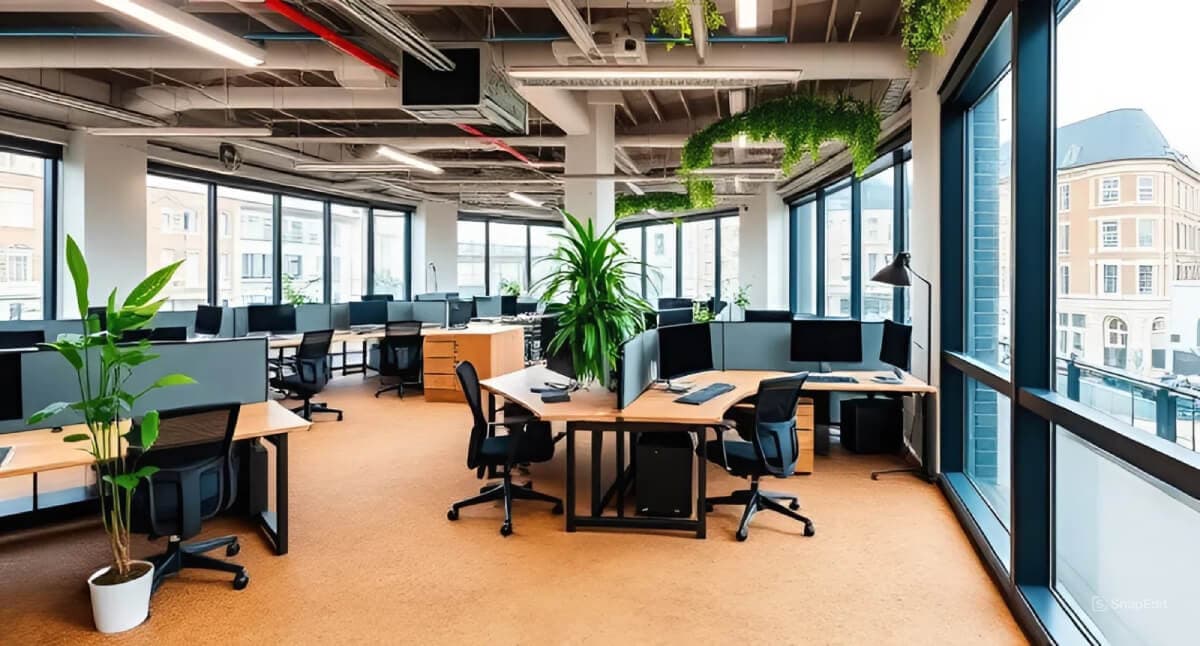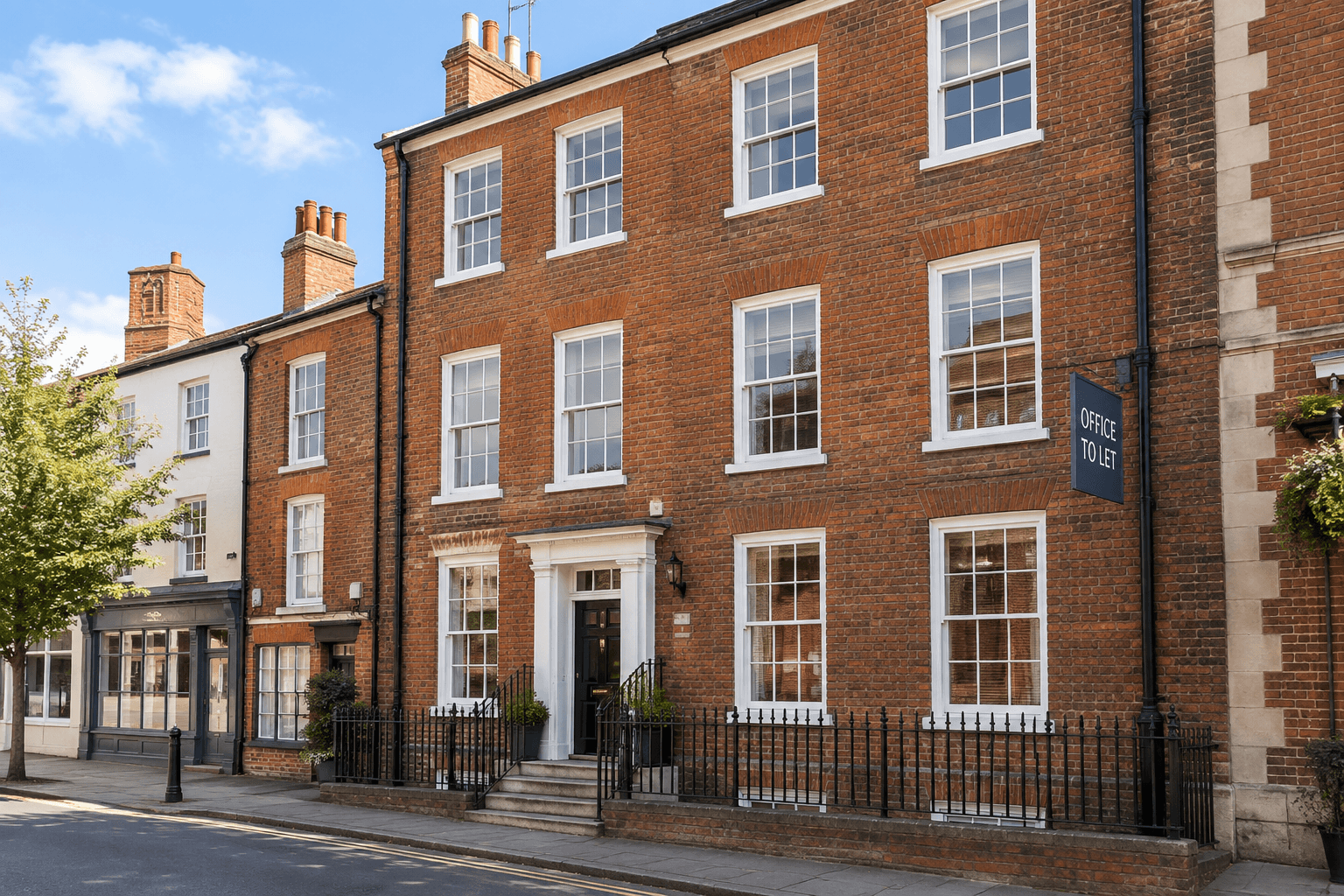
Anyone who has tried to modernise a period office in St Albans knows the difficulty is rarely the design brief. It's the building itself. A Victorian townhouse on Verulam Road or a Grade II listed conversion near Romeland Hill was never built with data cabling, air conditioning or accessible WCs in mind, and getting those in without damaging the fabric that makes the building attractive in the first place takes a contractor who has done it before. Whether you're taking on your first lease in the city or updating premises you've occupied for years, a properly planned office refurbishment in St Albans businesses can rely on needs to balance heritage constraints against the practical demands of a modern workplace. This guide walks through what that involves.
St Albans' Office Stock and Why It's Different
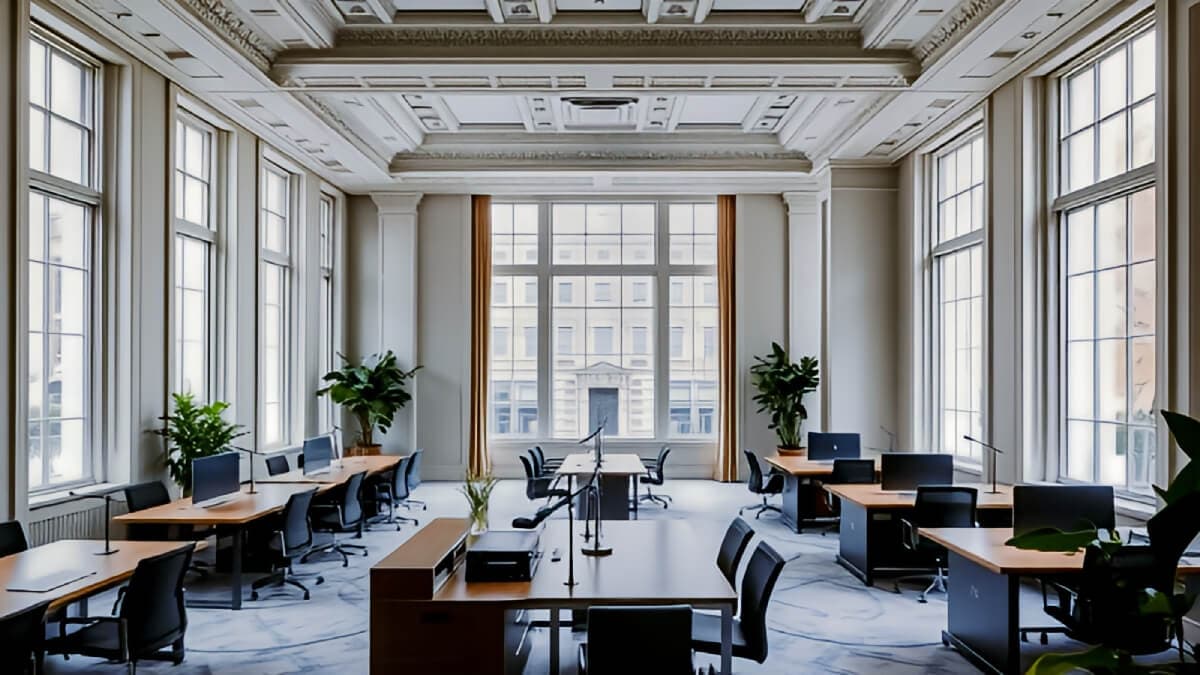
St Albans has one of the most architecturally dense city centres in Hertfordshire, and a large share of its commercial floorspace sits inside buildings that predate modern construction standards by a century or more. Around St Peters Street, Chequer Street and Victoria Street, period townhouses have been converted into solicitors' offices, accountancy practices and small professional services firms, often behind frontages protected by the city's conservation area designation. Romeland House on Romeland Hill is a well known example of a Grade II listed building now let as offices, and similar stock runs through the AL1 and AL3 postcodes. Away from the historic core, Alban Park on Hatfield Road (AL4) offers more conventional two storey business park units, but the city centre itself remains dominated by converted period buildings. Any office refurbishment company in St Albans businesses brings in needs to understand both worlds: how to work within listed building consent and conservation area restrictions in the centre, and how to deliver a standard Cat A or Cat B fit out on a business park unit a few miles out. St Albans also benefits from a fast rail link into London St Pancras, journey times of around 18 minutes, which has kept demand for well presented city centre office space consistently ahead of supply and made refurbishment, rather than relocation, the more common route for growing local firms.
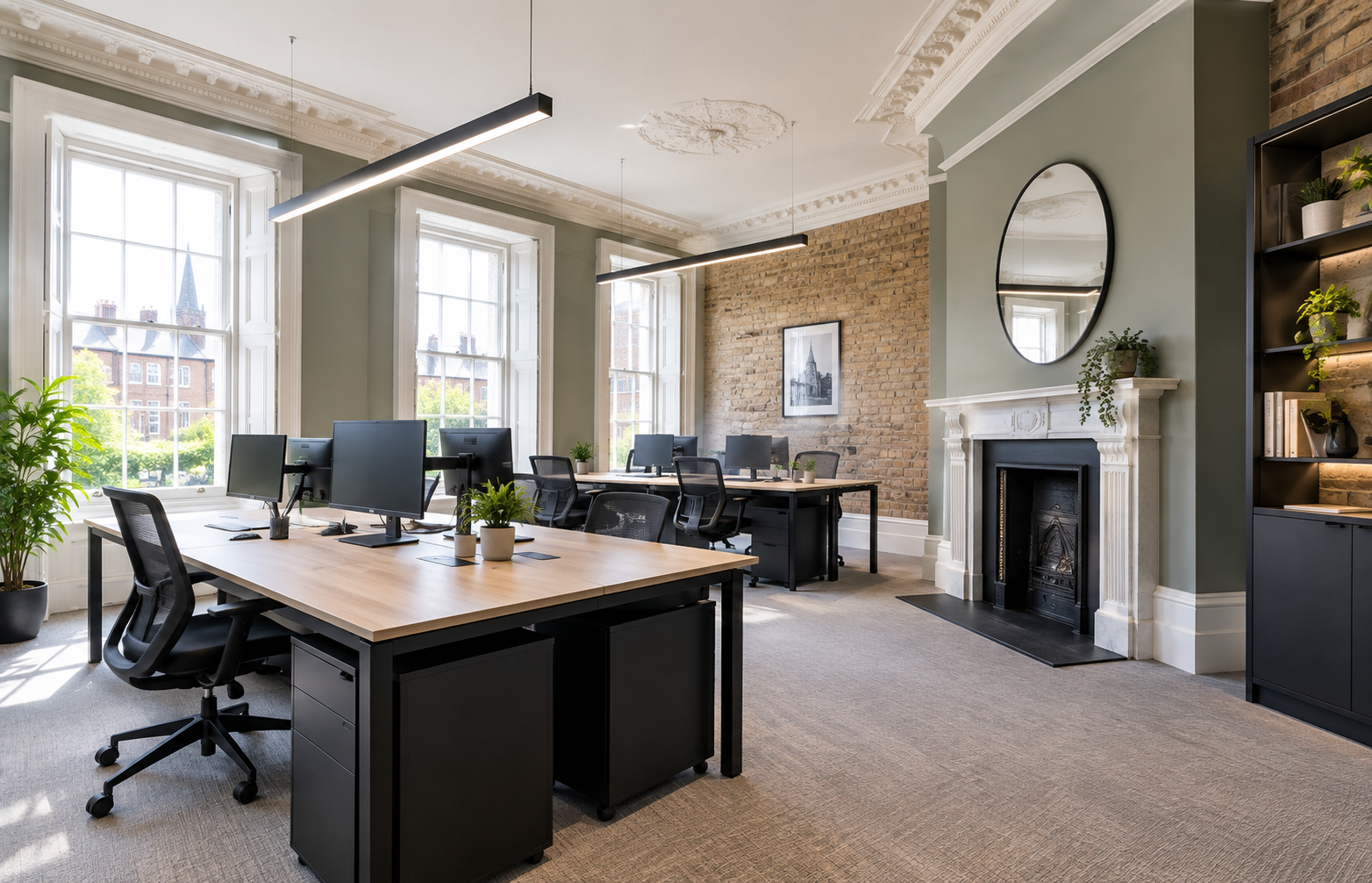
What Office Refurbishment Actually Covers in a Period Building
Office refurbishment services in St Albans businesses typically fall into two categories: cosmetic refresh and full structural refurbishment. A cosmetic refresh covers redecoration, new flooring, updated lighting and minor partition changes, and can usually proceed without planning input even in a conservation area, provided nothing alters the external appearance. A full refurbishment goes further: rewiring, new heating and ventilation, upgraded fire compartmentation, improved insulation, and sometimes internal reconfiguration to create meeting rooms or accessible facilities. In a listed or conservation area building, this second category almost always requires liaison with St Albans City and District Council's conservation officer before work starts, since even internal changes can trigger listed building consent if original features such as staircases, plasterwork or fireplaces are affected. Dilapidation obligations at lease end also tend to be stricter in these buildings, since landlords are protecting assets with genuine heritage value, so refurbishment scope is often shaped as much by the lease as by the tenant's wish list.
Finding the Right Local Refurbishment Partner
Not every contractor is comfortable working to conservation area conditions, and getting this wrong can mean delays, enforcement action, or a building that loses the character that made it worth leasing in the first place. A commercial refurbishment service in St Albans business chooses should be able to point to completed local projects, hold a working relationship with the council's planning and conservation teams, and understand how to sequence M&E upgrades around protected features rather than around them.
Budgeting for a St Albans Office Refurbishment
Period buildings rarely cost the same to refurbish as a standard business park unit, and the gap catches a lot of businesses out at the quoting stage. Listed building work often needs specialist trades for items like timber sash window repair or lime plaster reinstatement, and consent processes can add weeks to a programme even when the physical work itself is straightforward.
Planning Considerations Before You Start
Getting the sequencing right matters more in a period building than almost anywhere else. Structural surveys need to happen before design decisions are locked in, conservation area or listed building consent needs to be secured before any work that touches protected fabric, and lease terms need checking early since dilapidation clauses can dictate what you're allowed to change at all.
Refurbishment vs Fit Out: Which Applies to You
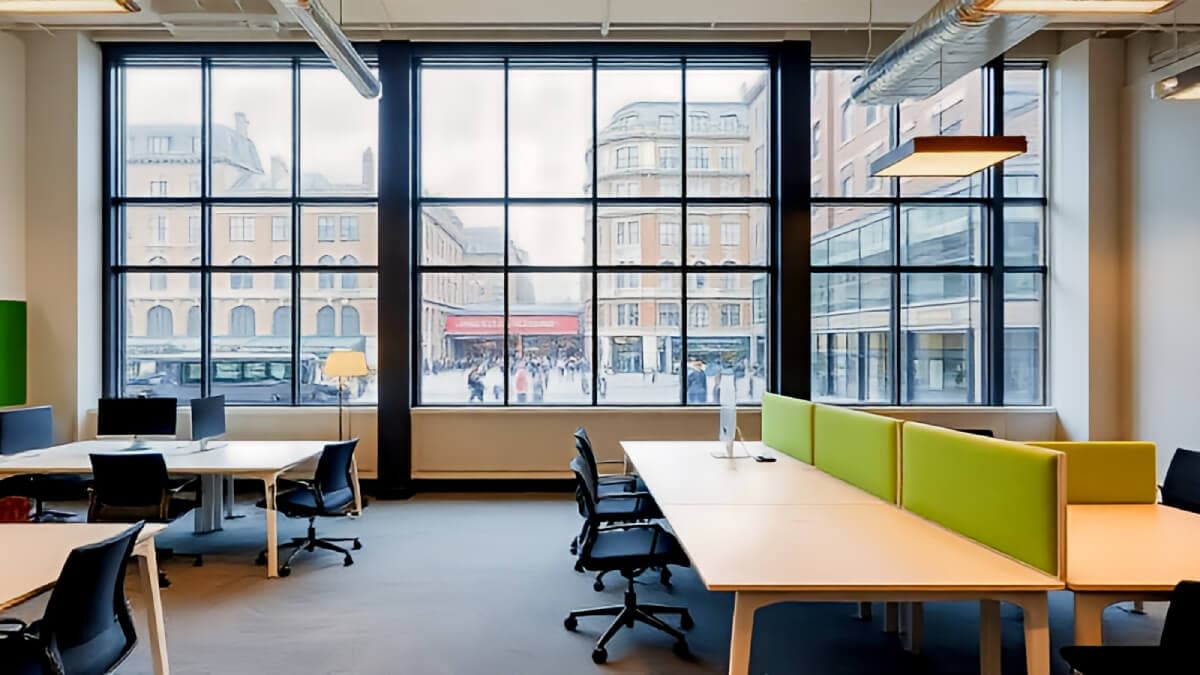
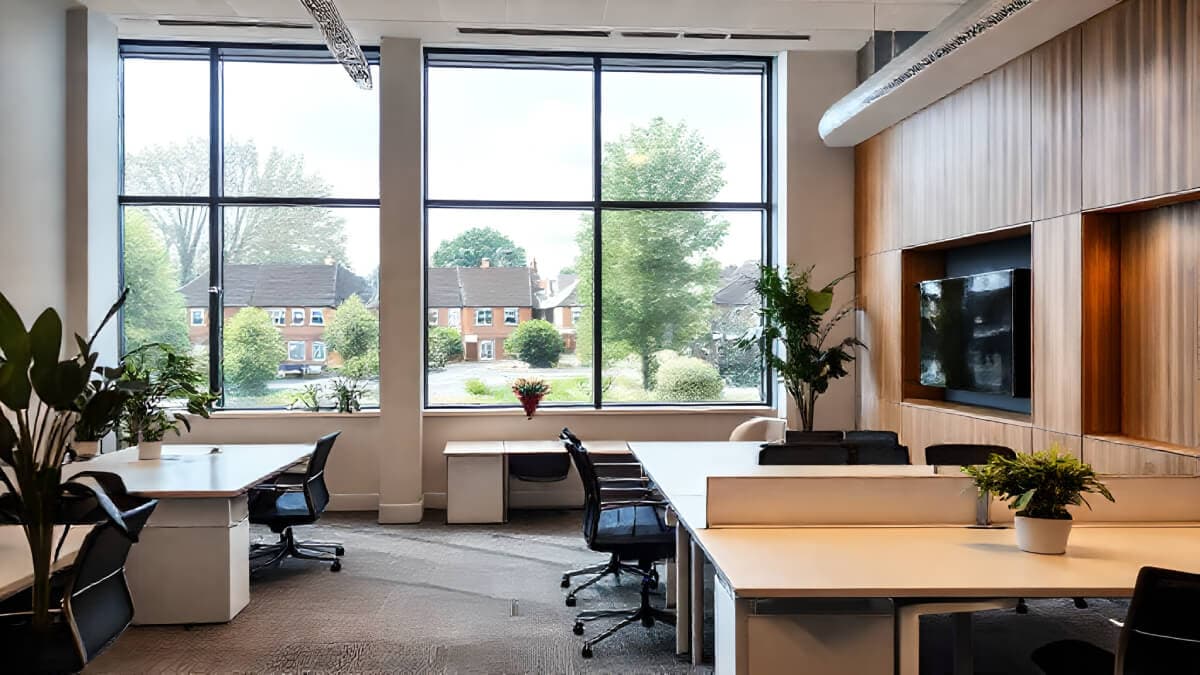
Not every project is a refurbishment in the full sense. Some St Albans businesses moving into a shell space, or taking on a unit at Alban Park with no existing fit out, are really looking at a fit out project rather than a refurbishment of existing fabric, and the two involve different planning, budgeting and timeline considerations.
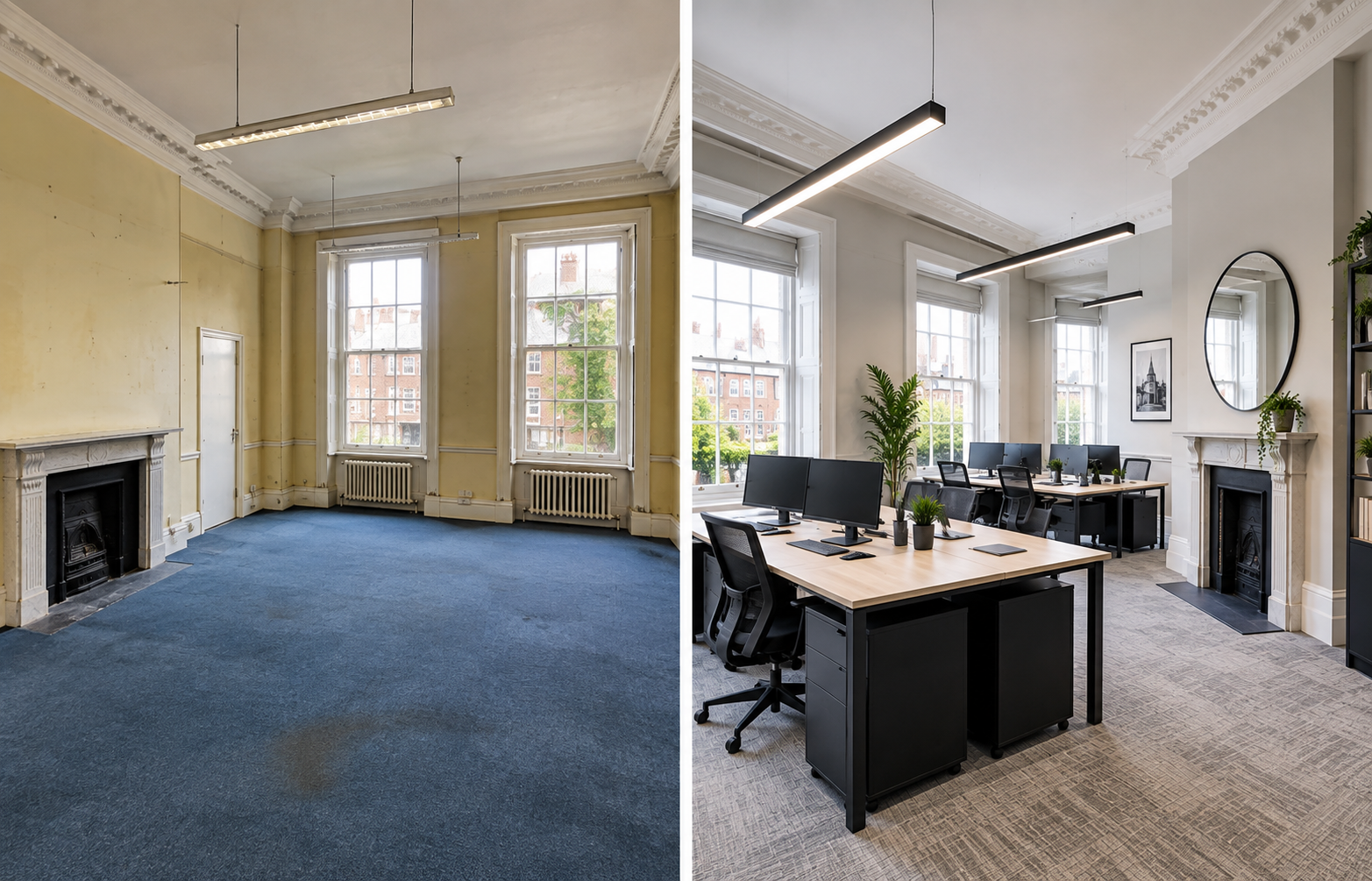
Why GXI for St Albans Office Refurbishment
GXI has delivered office refurbishment projects across Hertfordshire and the wider London commuter belt, working across both period conversions and standard business park units. As office refurbishment contractors in St Albans landlords and tenants return to, we manage the full process in house, from initial survey and liaison with conservation officers through to Cat A and Cat B delivery, design and build, and final dilapidations sign off. That means one point of contact for the whole project rather than a chain of separate trades, and a team that has already worked through the specific planning hurdles that period St Albans buildings tend to raise.
Get in Touch
If you're planning a refurbishment for a period office in St Albans, GXI can help you navigate the process from initial survey through to completion.
Contact us at [email protected] or call 020 3915 8000 to discuss your project.