Harrow's office market has quietly shifted over the past few years. Businesses that once accepted tired, under-specified space around Station Road and College Road are now refurbishing rather than relocating, and landlords across HA1 to HA3 are responding by upgrading stock to keep tenants in place. If your team has outgrown its current fit out, or your building simply looks and feels dated next to newer developments near Harrow-on-the-Hill, this guide sets out what an office refurbishment in Harrow actually involves, what it costs, and how to plan one properly.
We work with a lot of Harrow businesses who've reached the same point: the location still works, the commute for staff is still good, but the office itself is holding the team back. This guide walks through the local building stock, what refurbishment typically covers, realistic budgeting, and how to tell whether refurbishment or a fuller fit out is the right call for your particular building.
The Harrow commercial property landscape
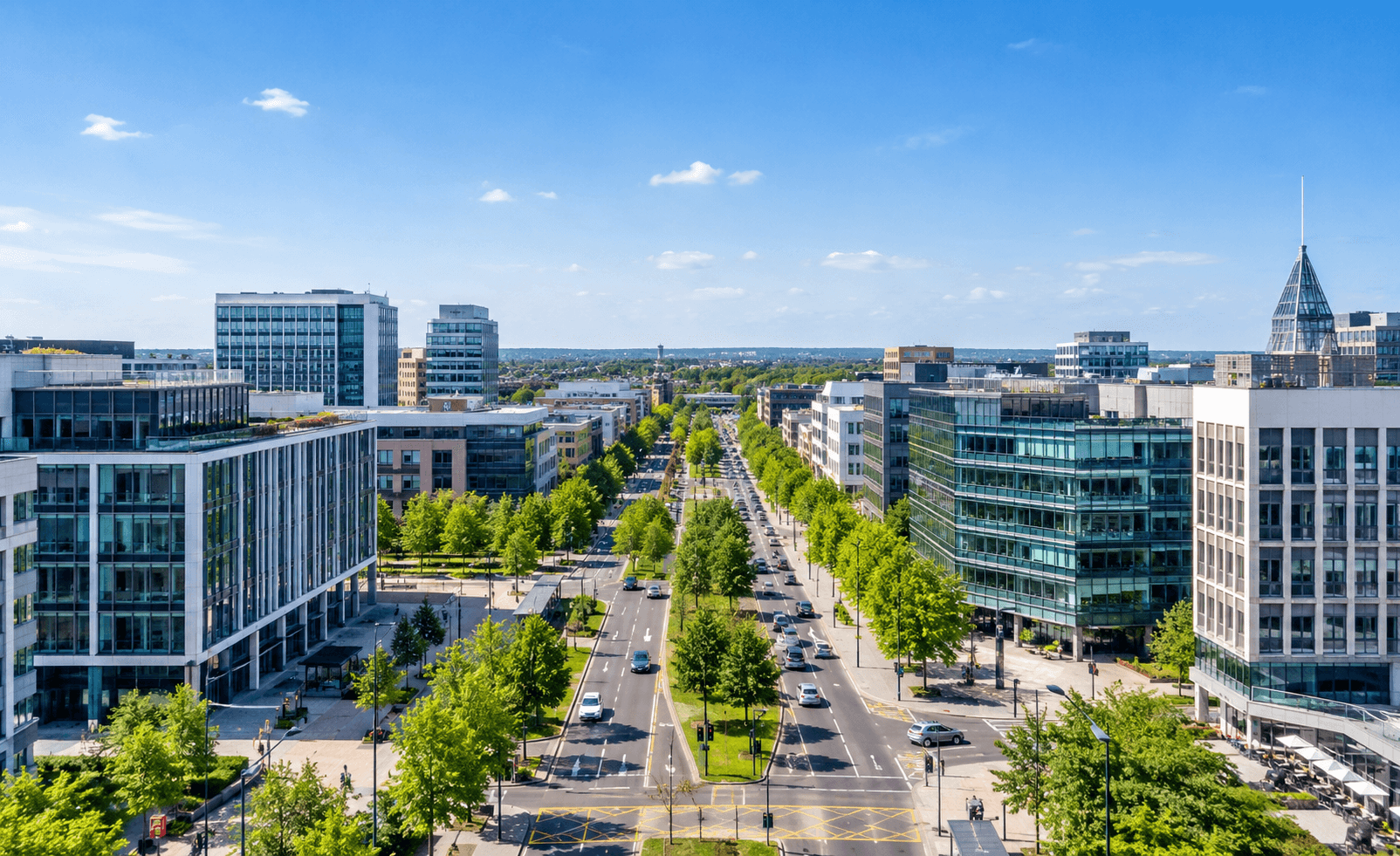
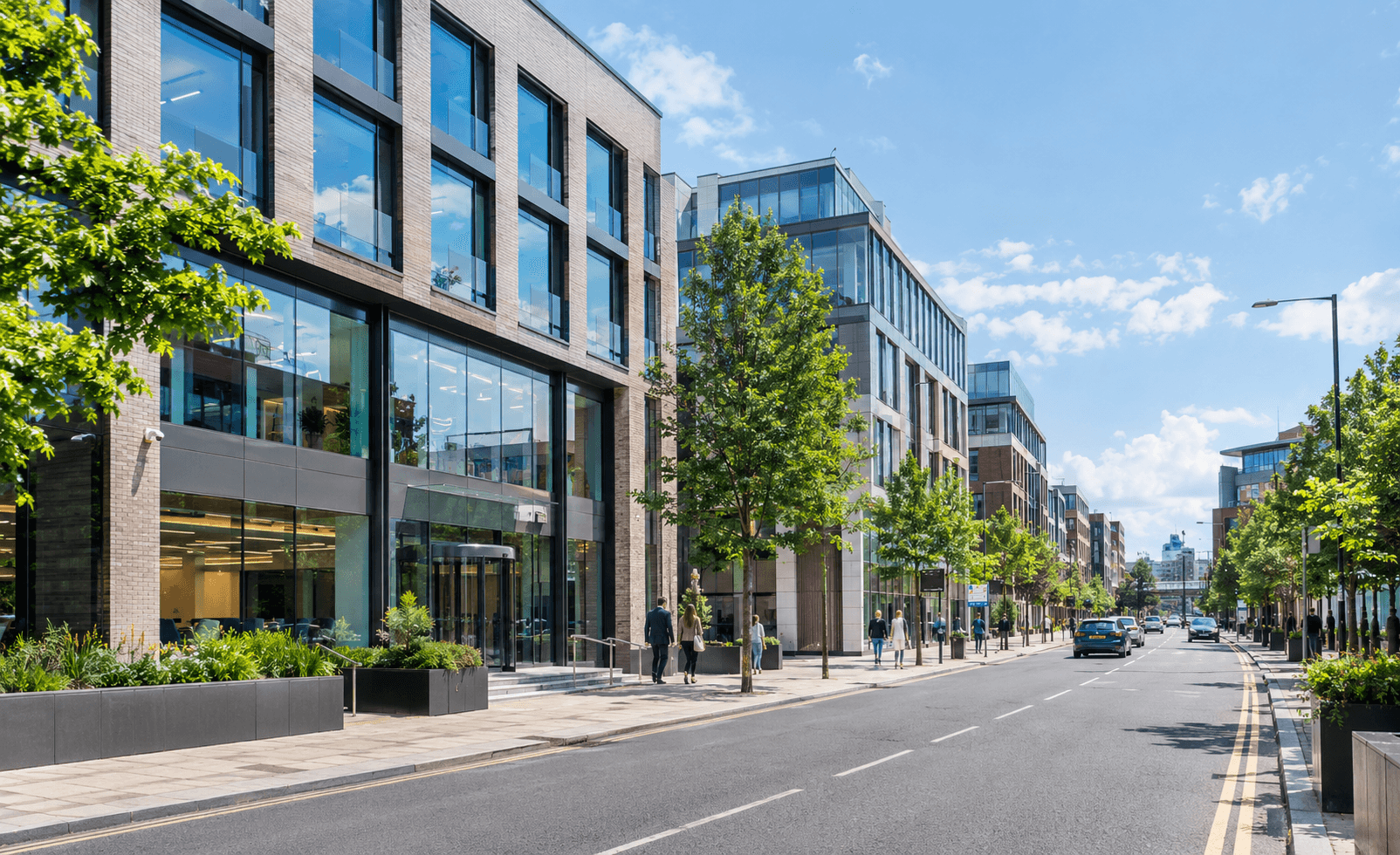
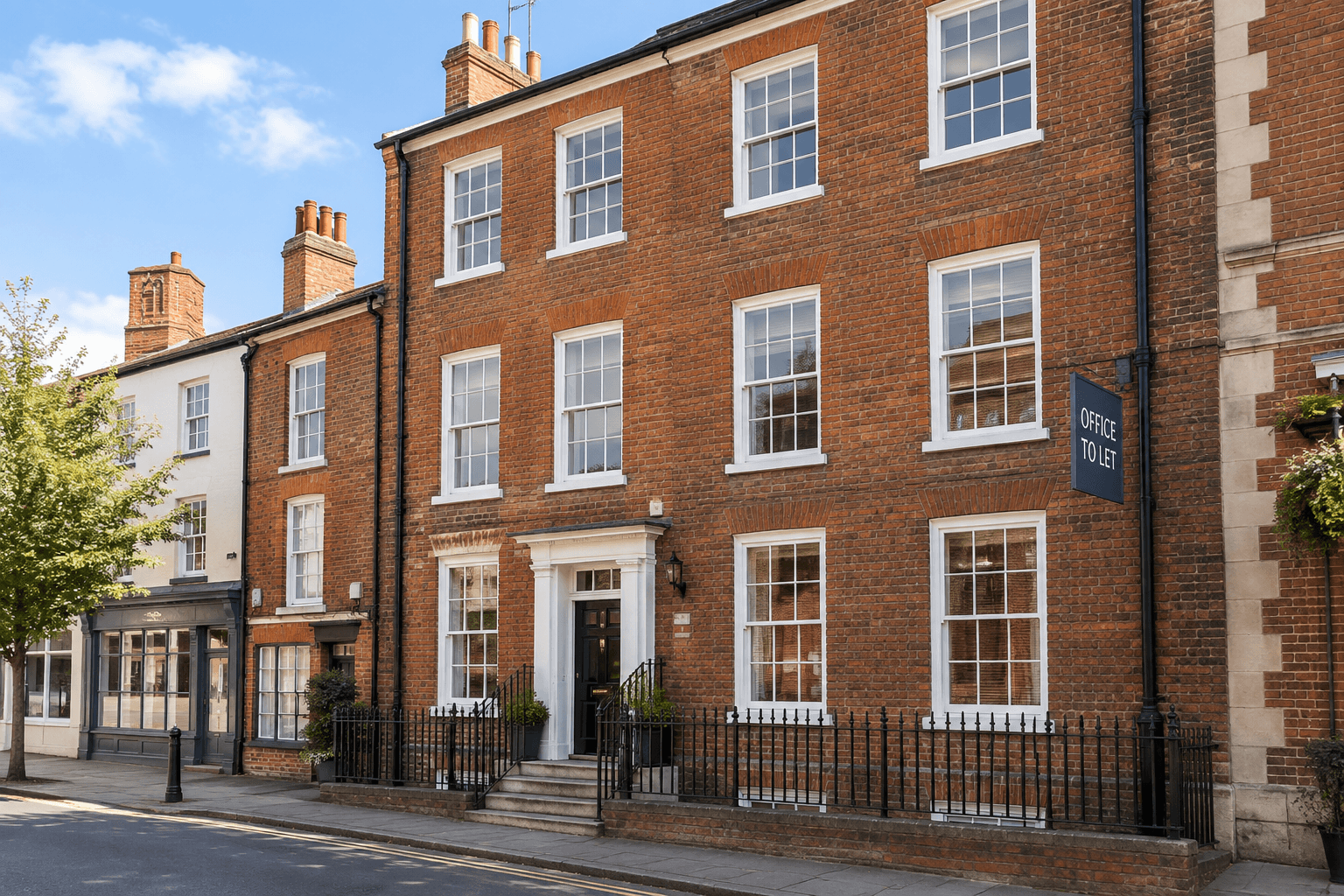
Harrow's office stock is a mix of eras and building types, which makes generic refurbishment advice fairly useless here. In the town centre (HA1), you'll find Victorian and Edwardian terraces converted into small suites along College Road and Headstone Road, sitting alongside newer mixed-use developments offering flexible Class E space, such as those on Fairholme Road. A short walk away, business centres like the Harrovian Business Village on Bessborough Road provide multi-let, self-contained suites popular with growing professional services firms.
Move out towards North and South Harrow (HA2) and the building stock changes again. Courtyard-style developments such as Churchill Court, built in the late 1980s opposite North Harrow station, are typical of the era's terraced office layouts, many of which now need mechanical and electrical upgrades to meet current tenant expectations. Further south, sites like the Archdale Business Centre and Waverley Industrial Park show how much light industrial and warehouse stock in South Harrow is being adapted with first-floor office space bolted onto operational units, a hybrid refurbishment challenge in its own right.
Head towards Wealdstone and Kenton (HA3), and the picture is more varied still, with prominent standalone buildings on Kenton Road and smaller serviced offices just off it, such as Jetta House. This is not a market where landlords hand over shell space and walk away. Most Harrow leases are on standard FRI terms, and refurbishment scope, especially for shared M&E systems and common parts, tends to need early landlord sign-off before contractors can start.
This layered building stock is exactly why a refurbishment brief that works for one Harrow business rarely transfers cleanly to another. A tenant in a self-contained Edwardian conversion off College Road is dealing with a different structural envelope, different fire strategy, and different access constraints to a tenant in a multi-let 1980s courtyard scheme like Churchill Court. Businesses relocating into Harrow from central London are often surprised by how much of the borough's office stock sits above or alongside retail and light industrial uses, particularly around South Harrow and Wealdstone, which brings its own considerations around servicing, deliveries, and shared entrances that a good contractor will factor into the programme from day one.
Occupier demand in Harrow has also shifted. Growing professional services and healthcare-adjacent businesses, drawn by proximity to Harrow-on-the-Hill's schools and the borough's strong transport links into central London via the Metropolitan and Bakerloo lines, are increasingly looking for space that supports hybrid working rather than rows of fixed desks. That shift is a big part of why refurbishment, rather than a full relocation, has become the more common route for businesses that like their location but have outgrown their layout. Getting office refurbishment in Harrow starts with understanding this local property landscape properly, not applying a generic brief that ignores it.

What office refurbishment covers
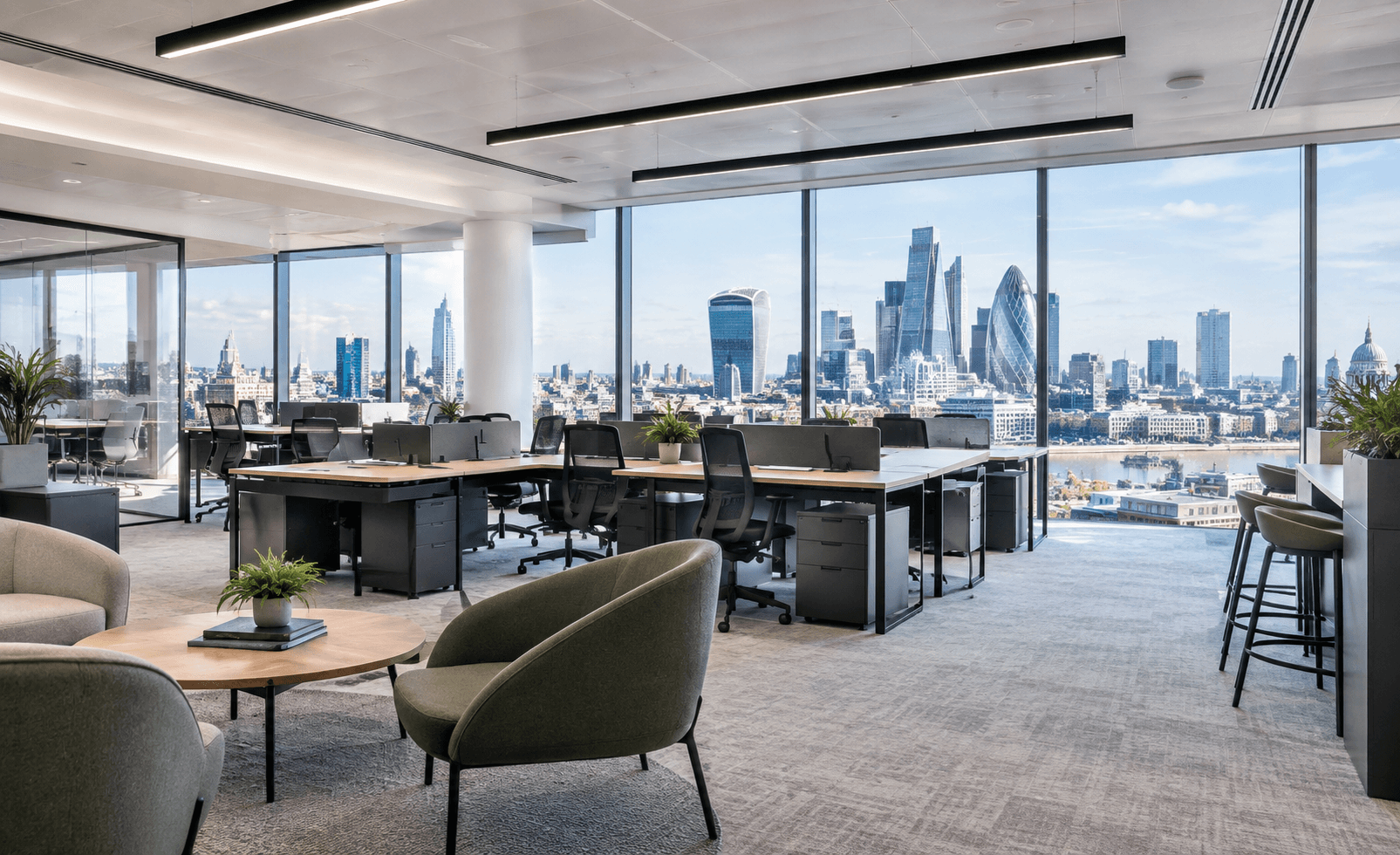
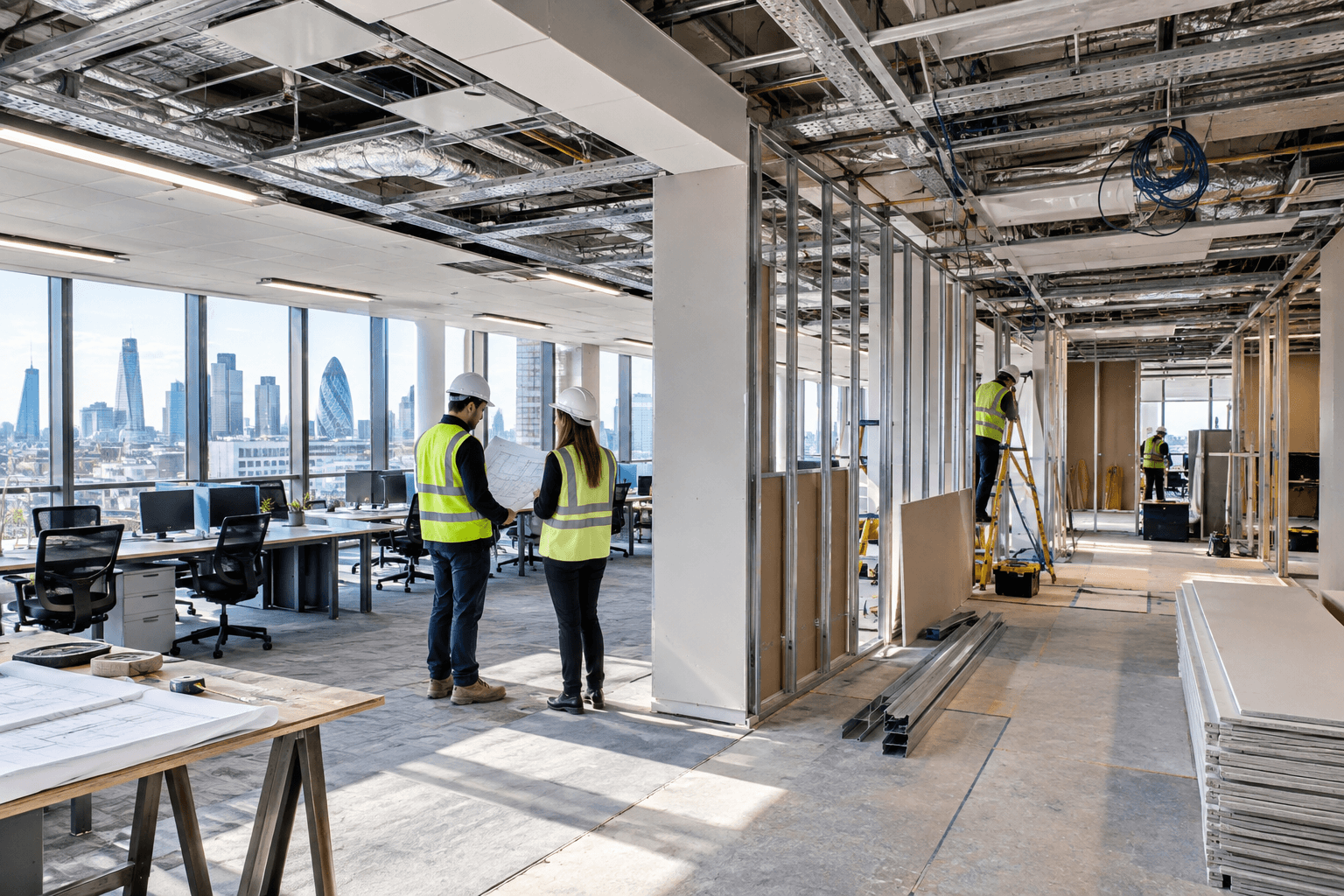
Office refurbishment is broader than a lick of paint. Depending on the age and condition of the building, a refurbishment project in Harrow might involve a Category A upgrade (replacing raised floors, suspended ceilings, lighting, and mechanical and electrical services), a Category B fit out layered on top (partitioning, meeting rooms, breakout space, cabling), or a partial refresh that targets specific pain points such as poor air conditioning, dated finishes, or an inefficient floor layout. Older buildings around College Road and Station Road, in particular, often need M&E work brought up to current standards before any cosmetic changes make sense, which is why scoping the right level of work matters as much as the design itself.
A well-run refurbishment usually starts with a condition survey rather than a mood board. In Harrow's period conversions, that survey often uncovers ageing electrical infrastructure or heating systems that were never designed for today's power loads, particularly in buildings converted from residential or retail use decades ago. In newer courtyard developments and mixed-use units, the building fabric tends to be in better shape, but tenants more commonly need help reworking layouts that were designed around 1990s and early 2000s working patterns, with too many enclosed offices and too little collaborative space. Getting this scoping stage right, before a single wall comes down, is what keeps a refurbishment on budget and on programme.

Choosing the right refurbishment partner
Getting this right depends heavily on who you appoint. A contractor with genuine experience delivering refurbishments in Harrow's mix of period conversions, 1980s courtyard stock, and light industrial buildings will scope the M&E and structural work correctly from the outset, rather than discovering problems mid-project. We've put together a shortlist of established fit out and refurbishment companies working across Harrow, covering the range of specialisms you're likely to need, from Cat A upgrades to full turnkey delivery. Look for an office refurbishment company in Harrow businesses have used before, and ask to see completed local projects rather than a generic portfolio.
Budgeting for a Harrow office refurbishment
Cost is usually the first question growing businesses ask, and it's a fair one. Refurbishment costs in Harrow vary considerably depending on building age, the extent of M&E work required, and whether you're refreshing an existing layout or reconfiguring the space entirely. A Cat A upgrade in an older College Road conversion will price differently to a Cat B fit out in a modern Fairholme Road unit, and landlord dilapidation obligations can also affect your budget if you're refurbishing ahead of a lease renewal. The best office refurbishment services in Harrow has to offer will price this out transparently rather than leaving you to guess at scope.
Is it time to refurbish, or just refresh?
Not every tired office needs a full refurbishment. Sometimes new carpet tiles and a lighting upgrade solve the problem. Other times, the building is genuinely holding the business back, whether that's an M&E system nearing the end of its life in an older Kenton Road building, a floor plate that no longer supports hybrid working patterns, or a layout that simply doesn't reflect how the team works today. Knowing the difference matters, because underscoping a refurbishment wastes money just as easily as overscoping one. Reputable commercial refurbishment services in Harrow providers will assess this honestly rather than pushing for a bigger scope than your building actually needs.
Refurbishment or fit out: which one do you actually need?
Refurbishment and fit out are often used interchangeably, but they're not the same thing, and choosing the wrong one can mean redoing work within a few years. Refurbishment typically means upgrading and modernising what's already there, while a full fit out is closer to reconfiguring space from a Category A shell.

Why growing businesses in Harrow work with GXI
GXI delivers office refurbishments across Harrow with a turnkey approach, managing everything from initial M&E surveys through to final handover, so you're not coordinating multiple contractors yourself. Our teams understand the practical realities of working in Harrow's older building stock, from securing landlord approval for shared services work in multi-let buildings like the Harrovian Business Village, to sequencing refurbishments around live industrial units in South Harrow business parks. We work on fixed programmes and keep disruption to occupied space to a minimum, which matters when your team needs to keep operating throughout the work. Among the office refurbishment contractors in Harrow businesses can choose from, we focus on turnkey delivery, giving you a single point of accountability from survey to handover.
Because so much of Harrow's office stock sits within shared or multi-let buildings, we also manage the parts of a refurbishment that businesses often underestimate: liaising with managing agents on works notices, coordinating access with neighbouring occupiers, and making sure any changes to shared M&E systems are properly signed off before work starts. That groundwork rarely shows up in a project brief, but it's usually the difference between a refurbishment that runs to programme and one that stalls waiting on landlord approvals. If you're weighing up whether refurbishment is the right route for your Harrow office, or want a realistic view of cost and programme before you commit, our team is happy to talk through your building and your options.
Ready to talk through a refurbishment for your Harrow office?
Get in touch with GXI at info@gxigroup.com or call 020 3915 8000.